How to Tell If Your Water Needs Professional Treatment
If your water shows signs of contamination or bad taste, local service providers can assess and perform professional water treatment to ensure safe, clean water.
Understanding how to tell if your water needs professional treatment is an important step for property owners who rely on well or municipal sources. If you notice changes in water clarity, taste, or smell, these can be signs that your water may contain contaminants or impurities that require expert assessment and solutions. Recognizing these indicators early can help prevent potential health issues and protect your plumbing and appliances, making it worthwhile to explore the services offered by local contractors experienced in water treatment.
Property owners in the area often turn to professional water treatment services when faced with persistent or unusual water quality concerns. Whether it’s dealing with hard water, sediment buildup, or foul odors, local service providers can evaluate your water and recommend appropriate treatment options. Keep reading to learn practical signs that indicate your water might need professional attention and discover how local experts can assist in ensuring your water remains safe and clean.
- Water testing services - when water appears discolored, has an unusual smell, or tastes off, local contractors can perform tests to identify contaminants requiring professional treatment.
- Iron and sediment removal - if your water has a rusty hue or visible particles, local service providers can recommend filtration options to address these issues.
- Hard water treatment - in cases of mineral buildup on fixtures or soap not lathering properly, local pros can assess water hardness levels and suggest appropriate solutions.
- Contaminant detection and removal - when concerns about bacteria, pesticides, or chemicals arise, local contractors can conduct thorough testing and install treatment systems as needed.
- Water quality consultation - if you're unsure about your water's condition or notice changes over time, local service providers can evaluate and advise on necessary professional treatment options.

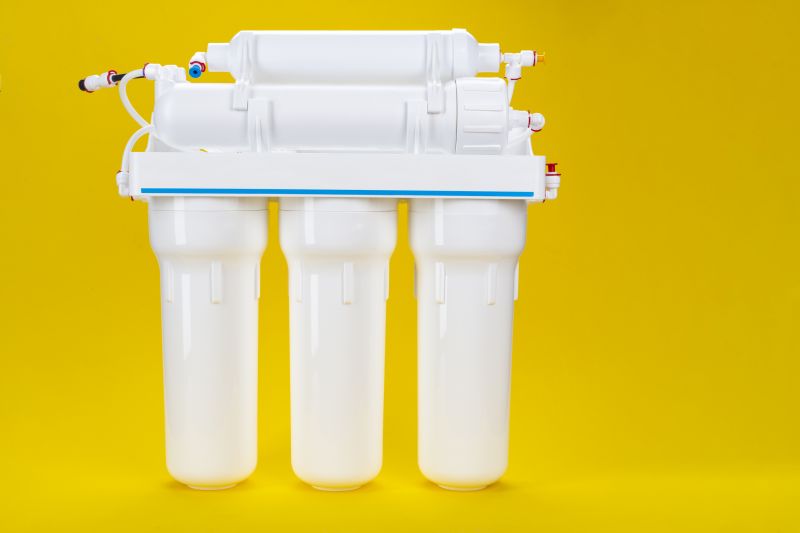

When homeowners search for how to tell if their water needs professional treatment, they are often concerned about water quality issues that may affect their health, safety, or daily convenience. Common signs include noticeable changes in taste, odor, or clarity, which can indicate contamination or mineral buildup. People may also notice staining on fixtures, soap scum that doesn’t wash away easily, or a strange color in their water supply. These symptoms suggest that the water might contain impurities, bacteria, or excessive minerals that require more than simple filtration methods. Recognizing these signs early can help homeowners determine whether a professional assessment and treatment are necessary to ensure their water remains safe and suitable for everyday use.
This topic relates closely to a range of household problems and planning projects. For instance, families upgrading their homes or building new properties often want to ensure their water systems meet health standards before occupancy. Existing homes with aging plumbing may develop issues that signal the need for treatment, such as corrosion or mineral deposits clogging pipes. Additionally, residents in rural or well-water areas are more likely to encounter water quality concerns that require professional intervention. These situations highlight the importance of understanding when water problems are beyond simple maintenance and warrant specialized treatment solutions. Local service providers can evaluate these issues, recommend appropriate treatment options, and help restore water quality to meet household needs.
The types of properties that typically come up in discussions about when to seek professional water treatment include single-family homes, multi-unit residential buildings, and small commercial properties. Homes with private wells are often a primary focus, as they rely entirely on well water that can be susceptible to contamination from natural sources or surface runoff. Older properties with aging plumbing systems may also experience mineral buildup or corrosion that impacts water quality. In addition, properties located near industrial sites or agricultural areas might face specific pollutants or chemical levels that require professional treatment. Understanding the property's water source, age, and location can help determine if a water treatment system installed by local contractors is a suitable solution to address potential issues.
Connecting this topic to real projects involves recognizing the role of local water treatment service providers in diagnosing and resolving water quality concerns. Homeowners and property managers can benefit from professional assessments that identify specific problems, such as high mineral content, bacteria presence, or chemical contamination. These experts can recommend and install tailored treatment systems, like filtration units, water softeners, or disinfection solutions, to improve water safety and quality. Working with local pros ensures that the treatment methods are appropriate for the property’s unique conditions and that the system operates effectively over time. This approach helps homeowners make informed decisions about their water systems and ensures their household or business water remains clean, safe, and reliable.
Water testing projects - These involve analyzing water samples to identify contaminants or quality issues, similar to assessing whether your water requires professional treatment services.
Well inspection services - Inspecting private well systems helps determine if water quality problems stem from the well setup, paralleling the need for treatment assessment.
Filtration system installation - Installing or upgrading water filtration systems requires understanding water quality, which aligns with evaluating if professional treatment is necessary.
Water quality consultation projects - These projects focus on advising homeowners about water issues and treatment options, connecting directly to understanding when treatment is needed.
Plumbing inspection services - Examining plumbing systems can reveal sources of water contamination or issues, aiding in determining if professional treatment is required.
Water treatment system maintenance - Maintaining existing treatment systems involves assessing performance and water quality, similar to identifying when new treatment is needed.
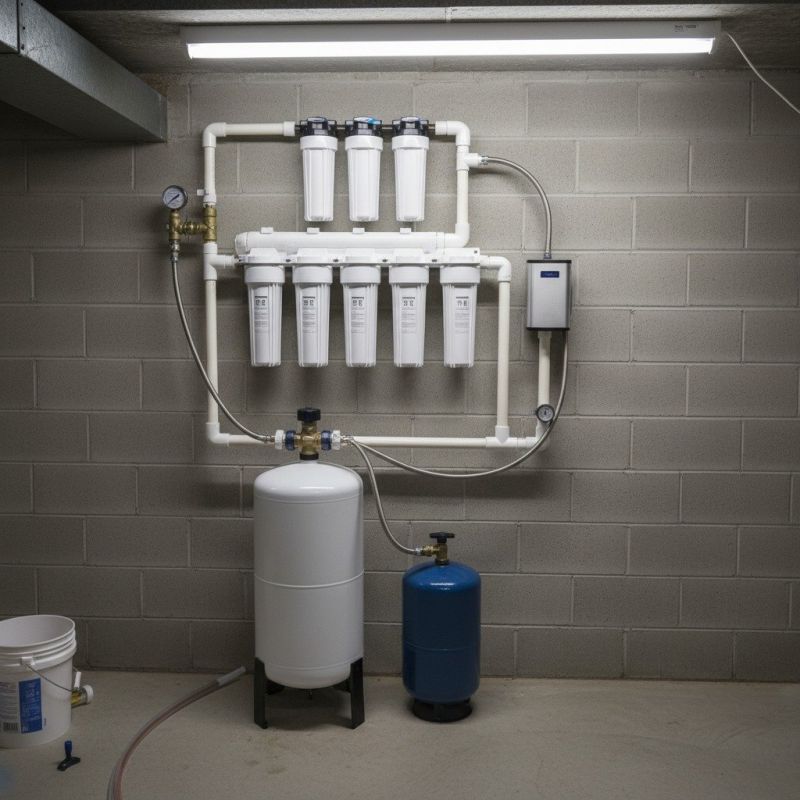
When comparing service providers for professional water treatment, it is important to consider their experience with similar projects. Homeowners should inquire about how long a contractor has been handling water quality issues and whether they have worked with systems or problems comparable to their own. A contractor with relevant experience is more likely to understand the nuances of different water sources and contaminants, ensuring that the treatment solutions offered are appropriate and effective. This background can provide confidence that the professional is knowledgeable about the specific challenges associated with assessing and improving water quality in residential settings.
Clear written expectations are a key factor when evaluating local contractors for water treatment services. Homeowners should seek detailed descriptions of the scope of work, the methods that will be used, and what results can reasonably be expected. Transparent communication about what the service includes helps prevent misunderstandings and ensures that both parties are aligned on the project goals. A reputable service provider will be able to provide this information in writing, allowing homeowners to review and compare proposals with confidence, and to better understand the steps involved in addressing their water quality concerns.
Reputable references and strong communication skills are essential qualities to consider when selecting local contractors. Homeowners are encouraged to ask for references from previous clients who had similar water treatment needs, as this can offer insights into the contractor’s reliability and the quality of their work. Additionally, good communication throughout the process-such as responsiveness to questions and clarity in explaining options-can significantly impact the overall experience. Service providers who prioritize clear, ongoing communication and have positive references are more likely to deliver a professional, transparent, and satisfactory water treatment service.
Property owners often search for how to tell if your water needs professional treatment when they are planning practical projects around their homes and businesses. Local pros provide Professional Water Treatment services for everyday jobs and straightforward project options.
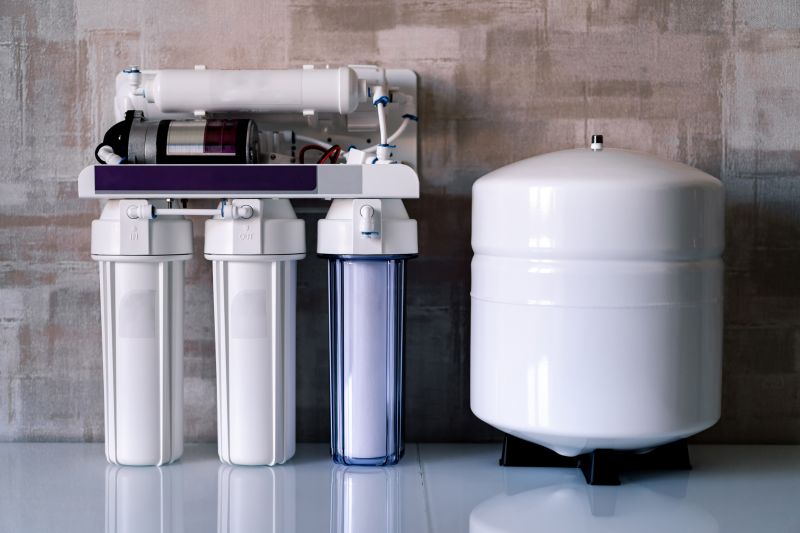
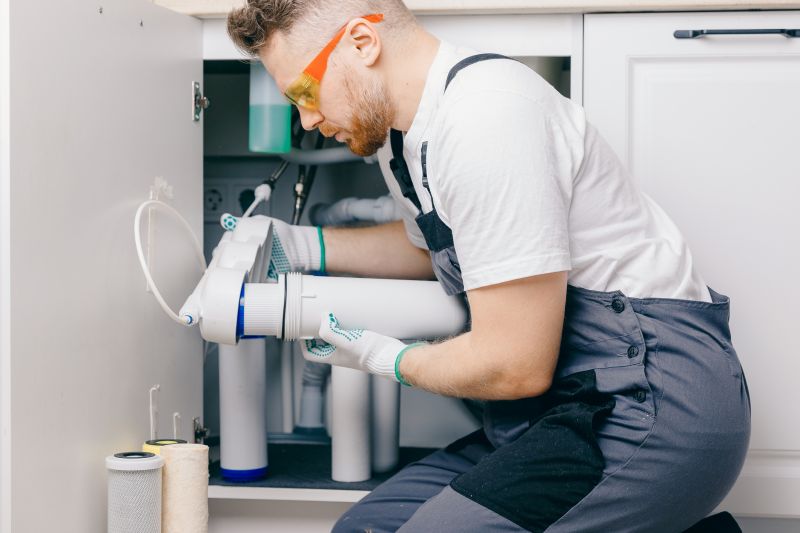
Property owners in the area often wonder how to tell if their water needs professional treatment, especially when they notice changes in taste, smell, or clarity. Common signs include water that appears cloudy or has a strange odor, which could indicate the presence of contaminants or high mineral content. Additionally, if appliances like dishwashers or water heaters start to show signs of buildup or scale, it might suggest that the water quality is affecting their performance. Recognizing these everyday issues can help property owners determine when it’s time to seek assistance from local contractors who specialize in water treatment solutions.
Many residents also pay attention to health-related clues, such as skin irritation after showering or an increase in sediment in drinking glasses. If water tests reveal unusual levels of minerals, bacteria, or chemicals, it’s a clear sign that professional treatment may be needed. Local service providers can evaluate water quality through testing and recommend appropriate treatment options to address specific concerns. Understanding these simple indicators can help property owners decide when to connect with local experts for solutions that improve water quality and safety.
What are common signs that my water may need professional treatment? Signs include a foul odor, unusual taste, discoloration, or the presence of particles or cloudiness in the water, which can indicate contamination or mineral buildup requiring expert assessment.
How can I test my water quality at home? Home testing kits are available to check for common contaminants, but for comprehensive analysis and accurate results, local service providers can perform professional testing to identify specific issues.
What contaminants are typically addressed by professional water treatment? Professionals often treat issues related to bacteria, viruses, heavy metals, minerals like iron or manganese, and chemical pollutants that can affect water safety and quality.
When should I consider professional water treatment services? If your water has a persistent bad taste or odor, shows signs of discoloration, or if testing reveals contaminants beyond safe levels, consulting local contractors is recommended.
Are there specific water conditions that indicate the need for professional treatment? Conditions such as hard water buildup, persistent staining, or recurring water quality complaints often signal that a water treatment specialist should evaluate and address the problem.
Unusual water taste or odor - noticing strange flavors or smells in your water can indicate contamination or mineral buildup that requires professional treatment.
Discolored or cloudy water - if your water appears murky or has a strange color, local contractors can assess whether filtration or purification systems are needed.
Water testing results - conducting simple tests at home or reviewing recent lab analyses can help determine if your water contains harmful substances that need professional attention.
Changes in water pressure or flow - inconsistent or weak water flow might signal underlying issues that local service providers can diagnose and resolve with specialized treatment solutions.
If you are thinking about how to tell if your water needs professional treatment for a property, this guide is meant to help you understand this topic, the typical project types, and how different options might fit your plans.
When you are ready, you can use the quote form on this page to share a few details about your project. From there, local pros can review the basics and follow up with options that match what you have in mind.